01
Post a Piece of Your Own Work
It comes back with the parameters we used written down: the QCW settings for a weld, the MOPA settings for a mark or an outline, the spot size, and which accessory was on the machine while we ran it.
How to send itContact
Post us a piece of your own work and it comes back with the parameters written down, so the answer to can an M3 do my job is the job itself rather than a specification table. Ask for the installation drawings and the repair guidance and you can see what standing an M3 on your bench involves. Or send the six lines below and get a configuration sheet back.
Not sure which? Start with the six lines. They are short, and they let us answer the other two without a round of questions.
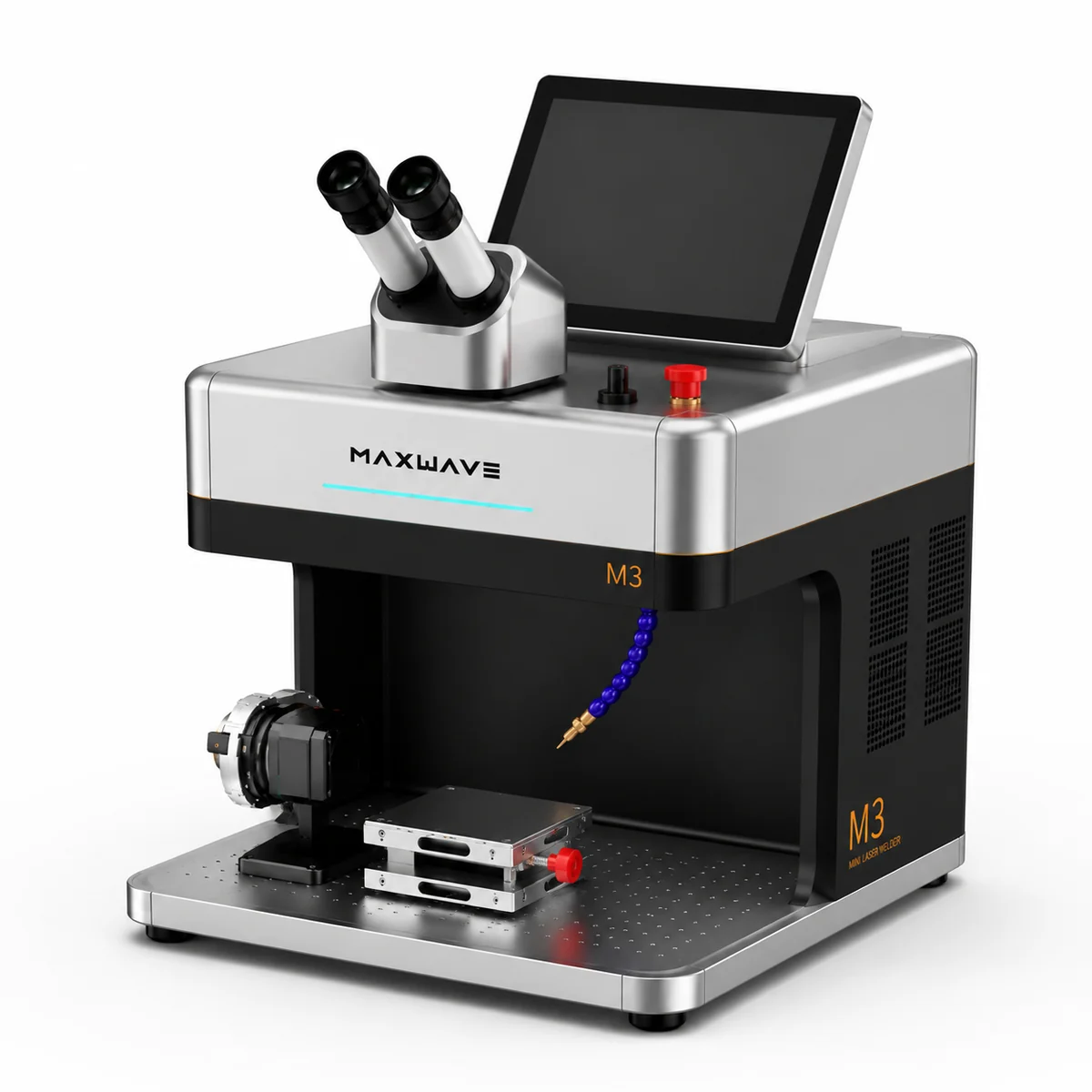
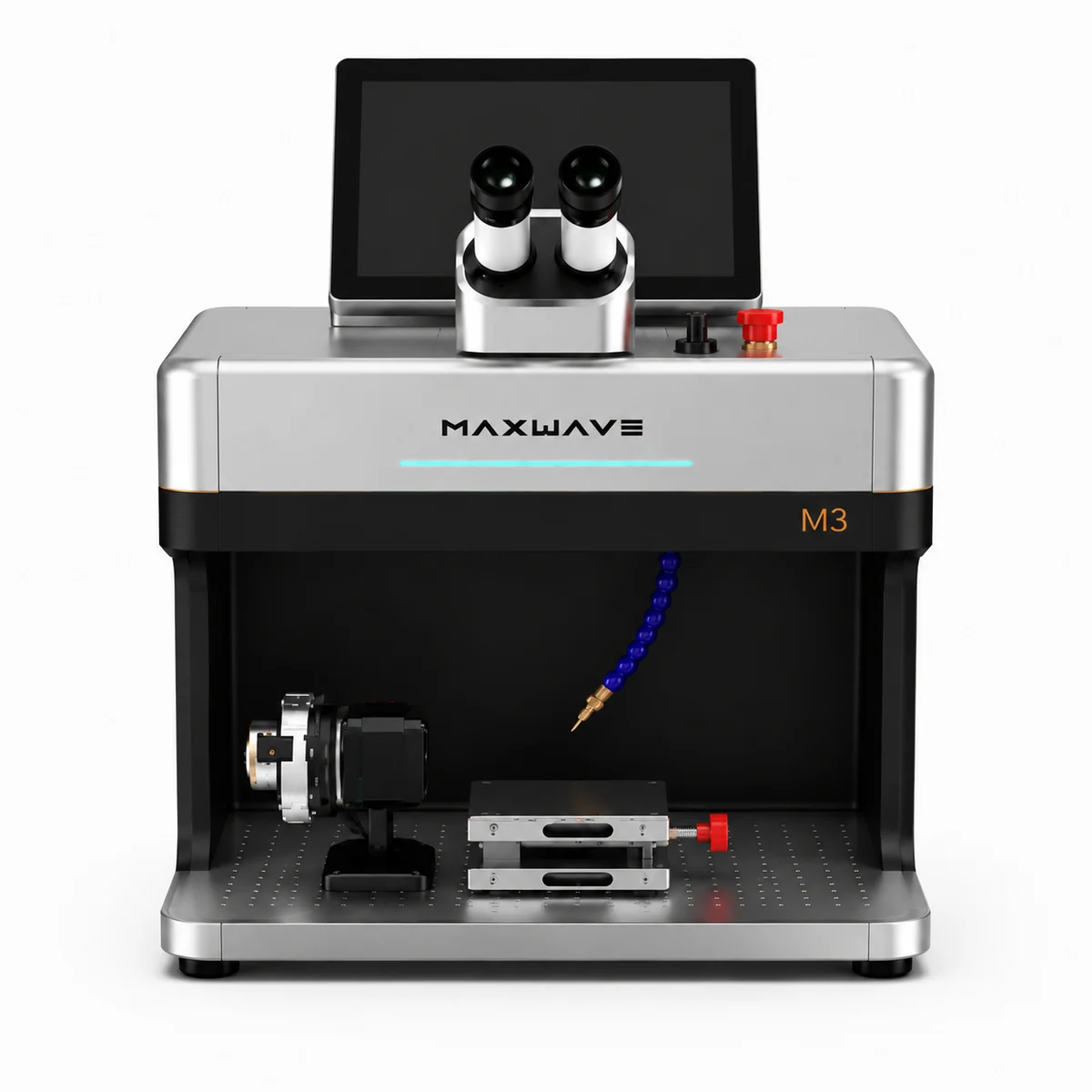
Weld · Mark · Cut on one bench — 300 × 340 × 320 mm, 30 kg, air cooled.
Pick your route
Each route returns something you can hold against your own bench. None of them returns a brochure.
It comes back with the parameters we used written down: the QCW settings for a weld, the MOPA settings for a mark or an outline, the spot size, and which accessory was on the machine while we ran it.
How to send itInstallation drawings and repair guidance, sent in full. You see what standing an M3 on your bench actually involves, and what you would be doing yourself the first time a protective lens needs changing.
Ask for themA configuration sheet comes back naming which accessories your work asked for and which it did not: rotary device, cutting fixture, extraction, MOPA tier. Decided by your pieces, not by a package name.
See the six linesThe short version
Copy this list into your message and fill it in. Every line is here because it changes our answer.
Plain text, ready to paste
Route one
Send one piece that represents the work you are worried about rather than your easiest job.
A thin bezel, a hollow band, a broken chain link, a piece in a karat you find difficult, a sheet offcut with the artwork you would cut from it. If the piece cannot leave your counter, send a piece of the same alloy and section instead.
Your name, the alloy and karat, and the operation you want run: welded, marked or cut. Write it on a tag attached to the piece, not only in the email, so the piece and the instruction stay together on our bench.
To Wuhan Maxwave Laser Technology Co., Ltd., at the street address in the contact panel below. Tell us in your message what you have sent and how many items are in the parcel.
Message it to us so we know when to expect the parcel and can put it on the bench the day it lands.
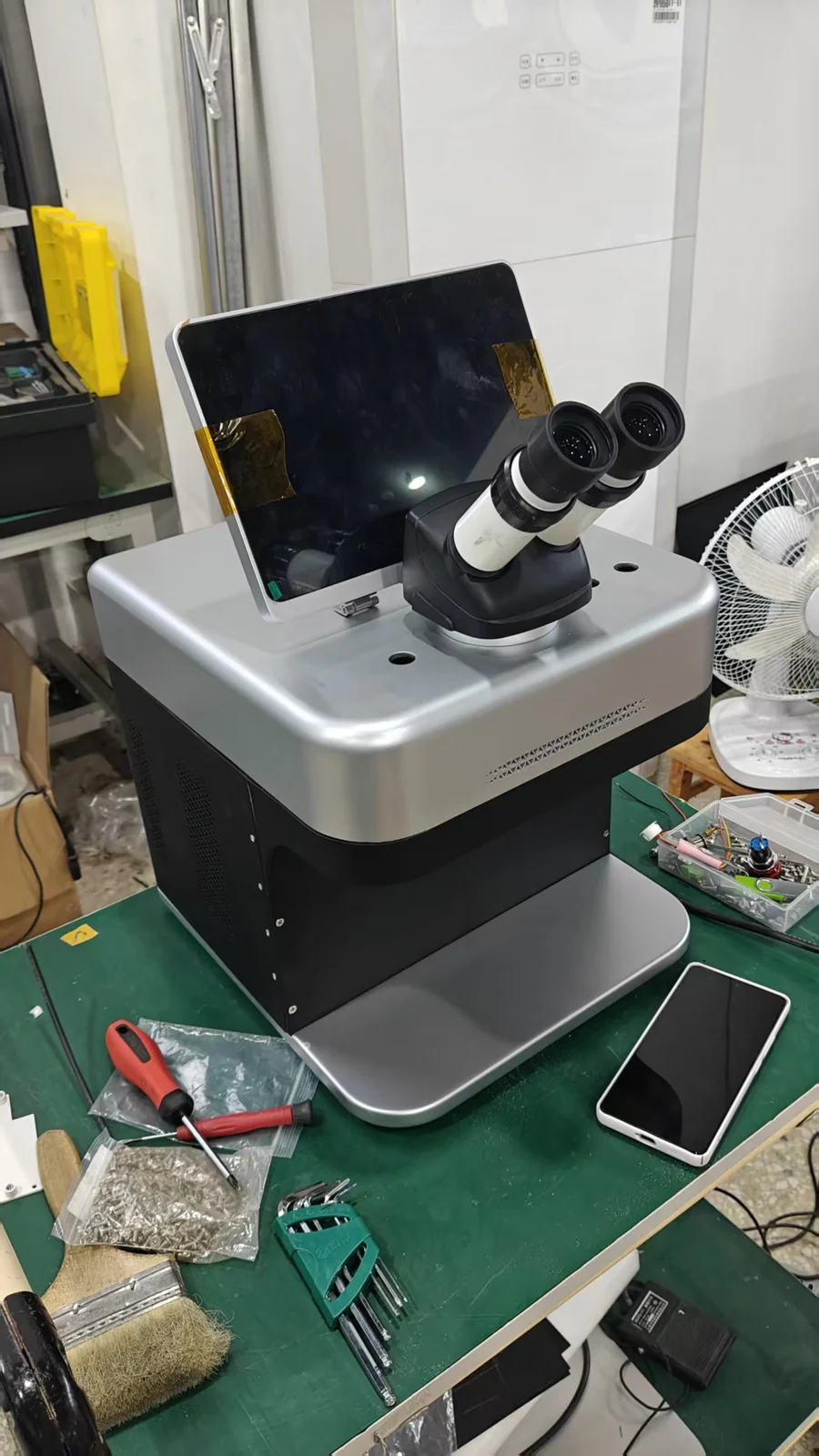
The piece comes back to you with the parameters we used written down: the QCW settings for a weld, the MOPA settings for a mark or an outline, the spot size, and which accessory was on the machine while we ran it.
If your piece is outside what an M3 will do, we say so in those words and tell you what we could not achieve on it. Our published limits stop where the data stops. We have no figures for maximum weldable section, minimum part size or sheet thickness, which is exactly why we would rather run your piece than argue about a number.
Direct lines
A sales engineer, not a shared mailbox that forwards your question onward.
Both routes reach someone who can talk about a weld on a hollow band. WhatsApp is the faster of the two if you want to send photographs of a piece or a screenshot of a drawing.
After you write
What you will not get back is a brochure with your name on it.
An enquiry about a specific job is answered with the settings for that job, an enquiry about installation is answered with the drawings, and an enquiry about configuration is answered with the sheet.
Before you write: the full specification how a configuration sheet is built what arrives in the crate
Send the six lines, or post a piece of your own work. We start with whichever reaches us first.
One box, one engineer
Fill the six lines into the message box and you get back a configuration sheet, the installation drawings, and the address for a sample piece. One message covers all three routes.