Who it suits

A Jewelry Laser Welder for Repair Shops, Stores and Studios

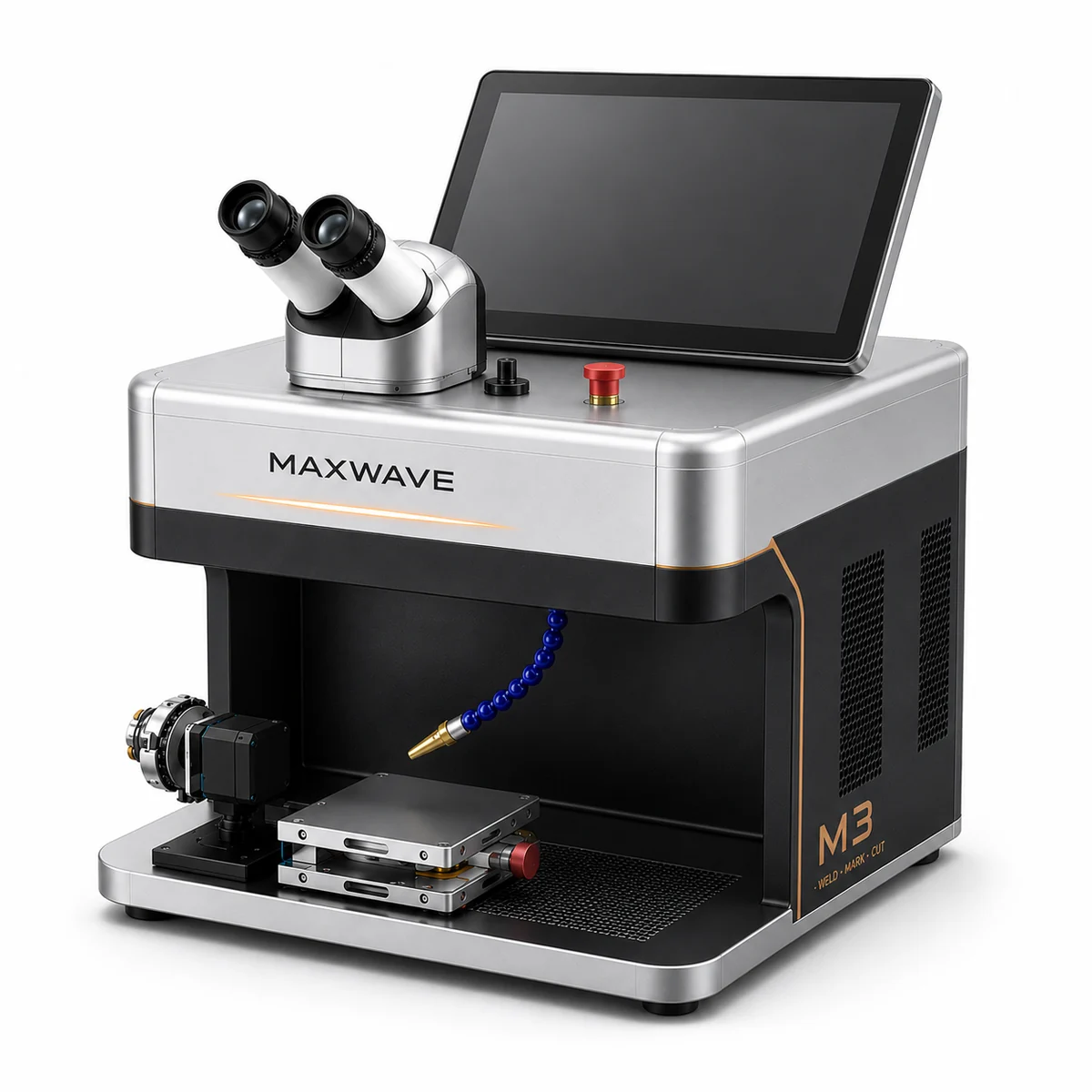
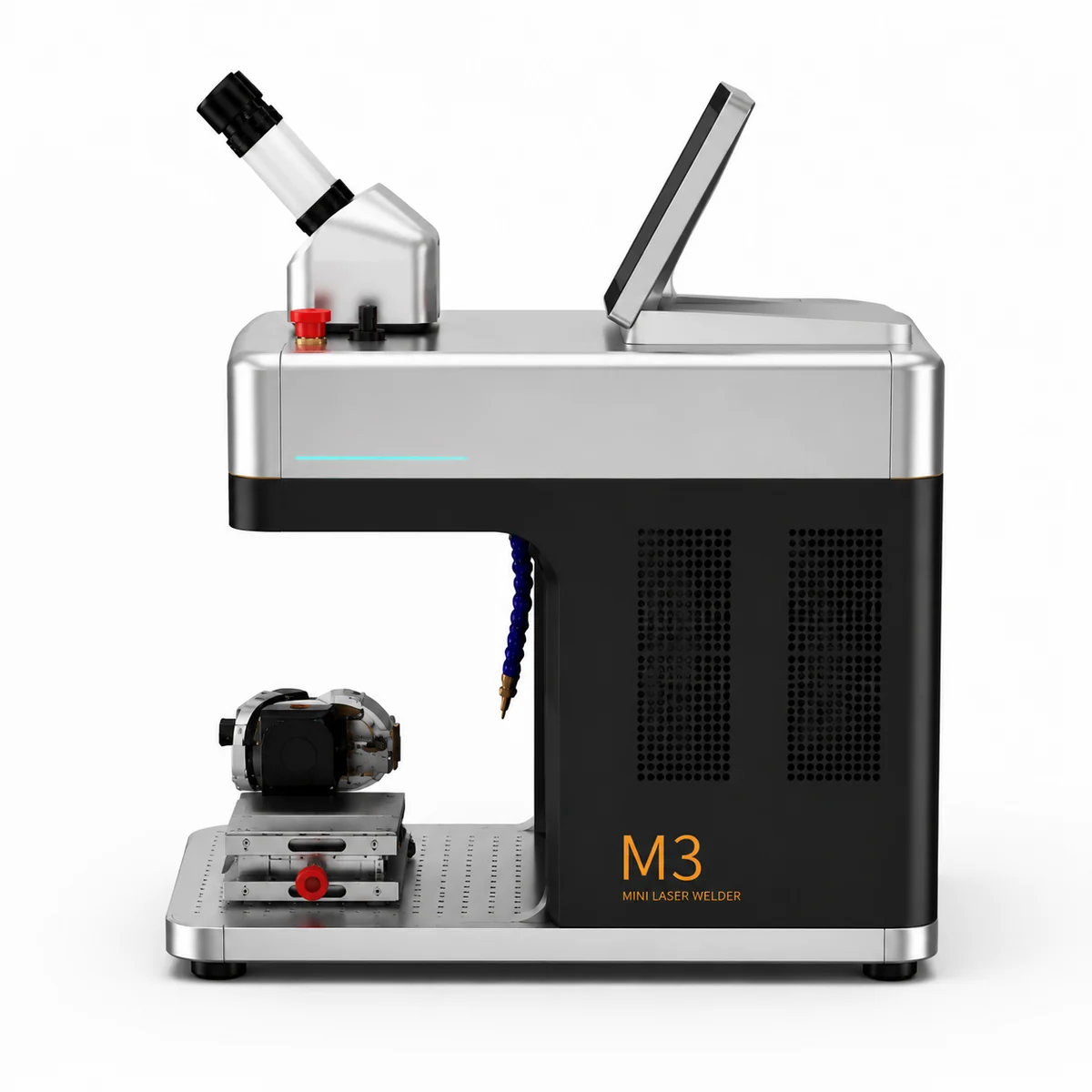
The M3 is a jewelry laser welder for repair shops, jewelry stores, personalization studios and small workshops that meet the same problems: no room for another machine, repairs sent out, a laser that needs a chiller and a computer, and settings nobody on staff can set.

Pick your kind of business below and start from the day that goes wrong today.

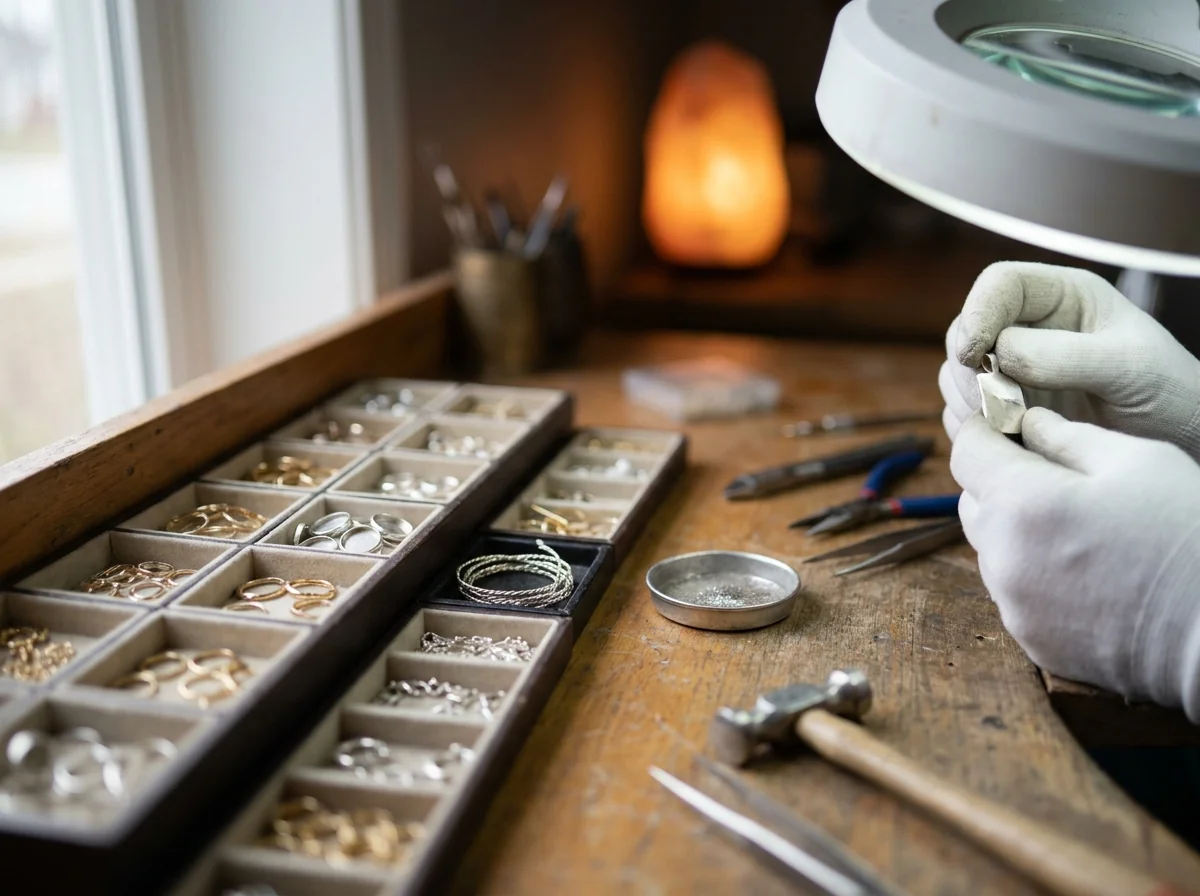
A jewelry laser welder for repair shops: a store with a repair counter and a jeweler's bench

The problems first

Jewelry Laser Welder for Repair Shops: Eight Problems

Every buyer of a jewelry laser welder for repair shops, stores or studios meets some of these eight. The sections below show which ones, what the day looks like today, and what changes with the M3 on the bench.

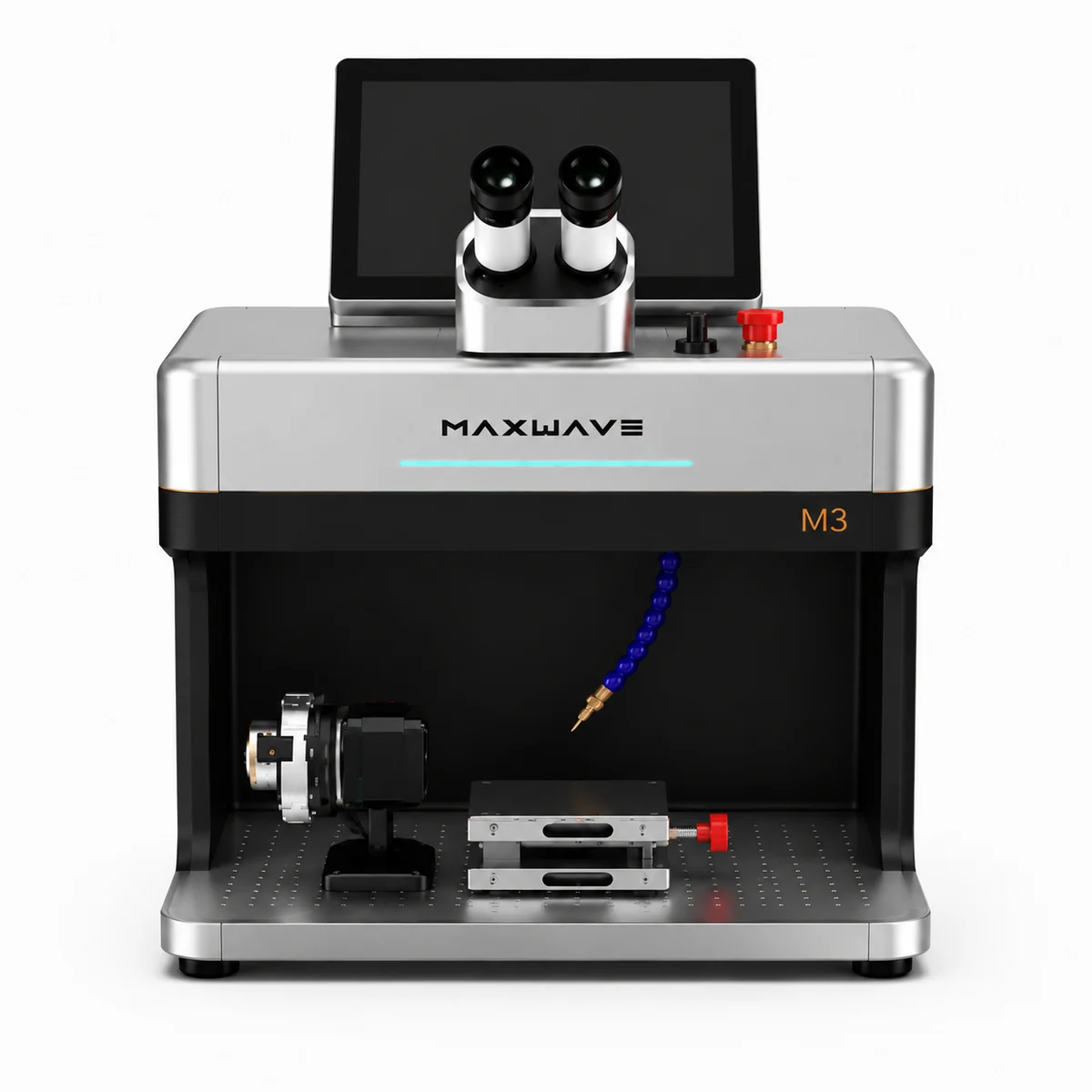
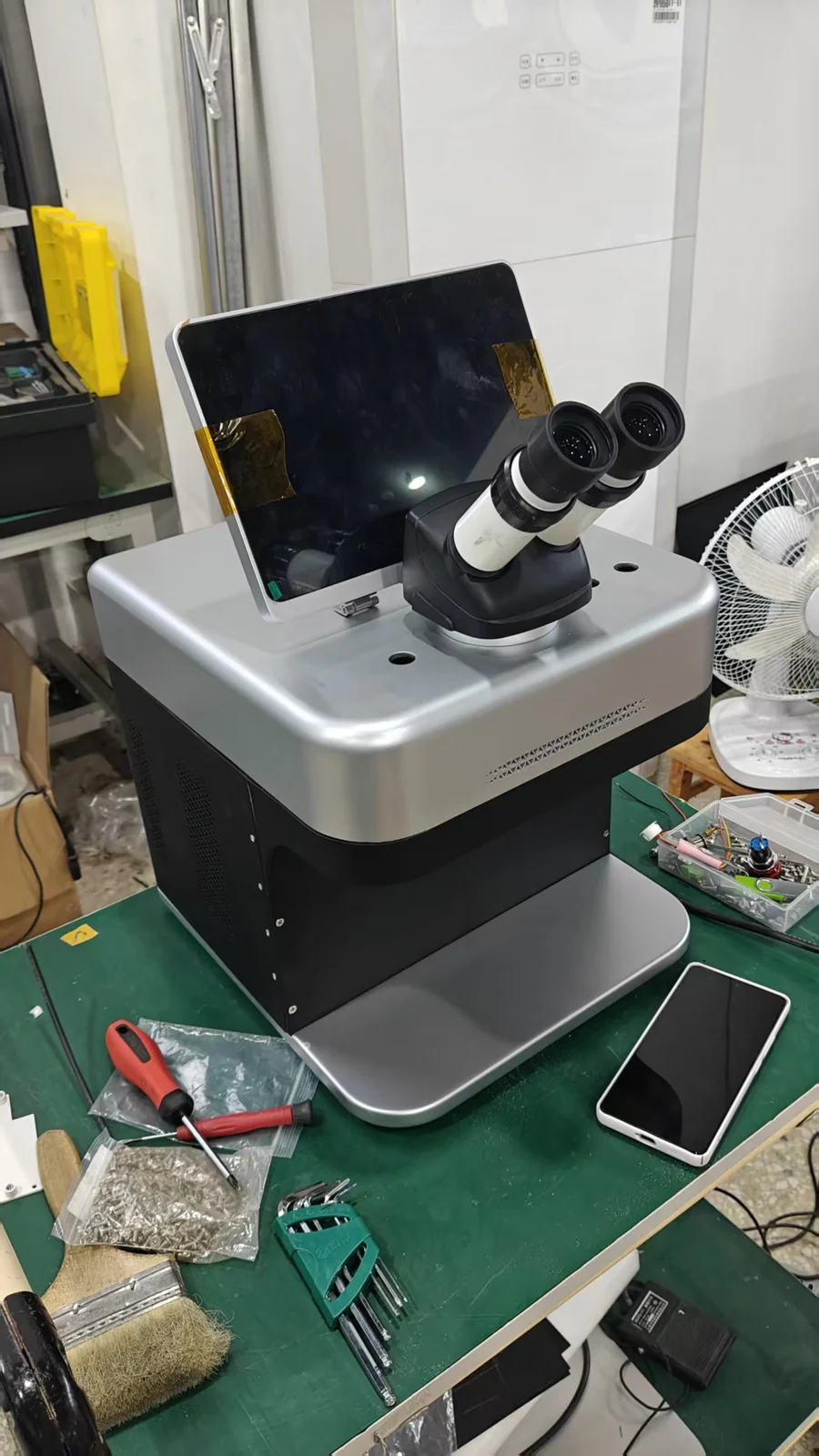
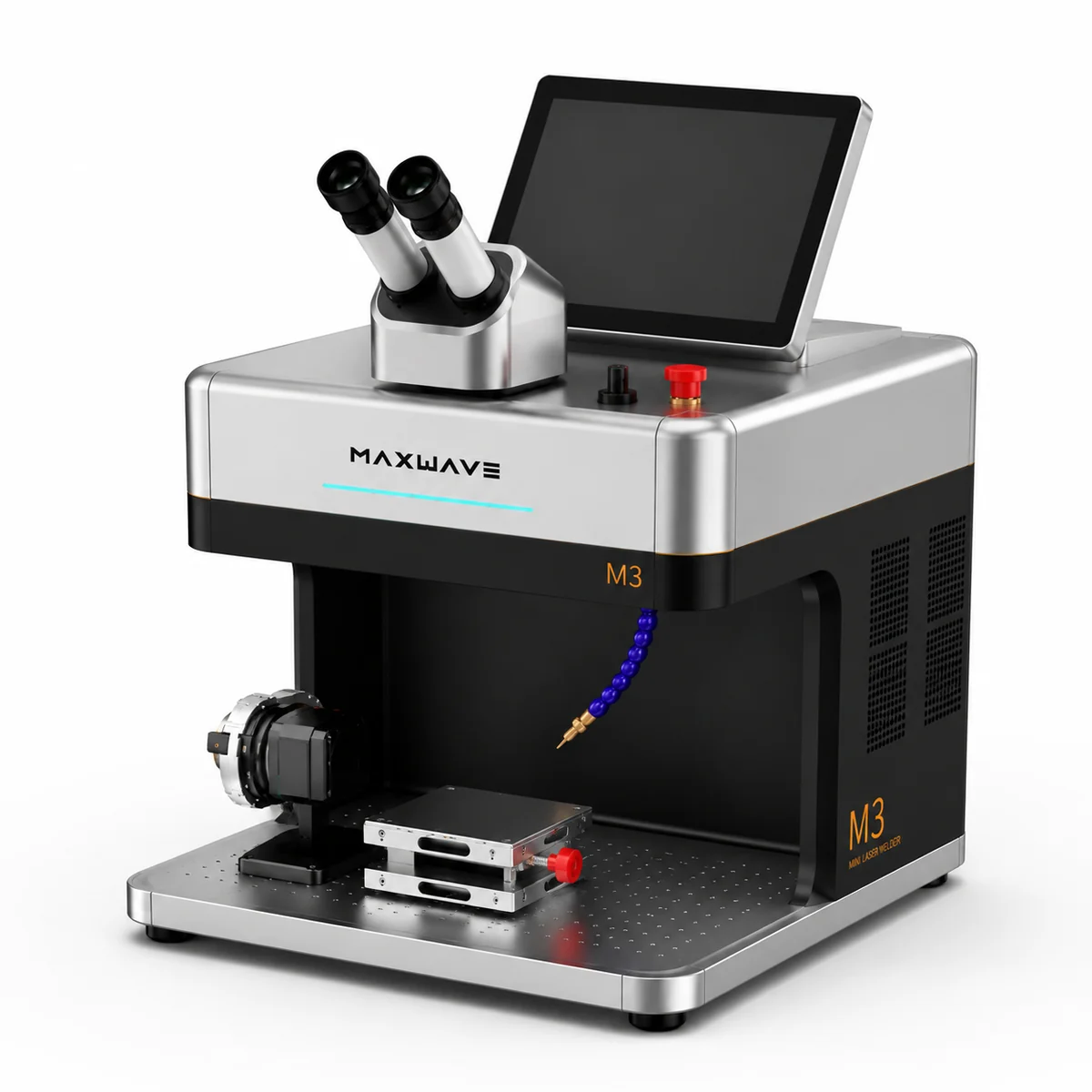
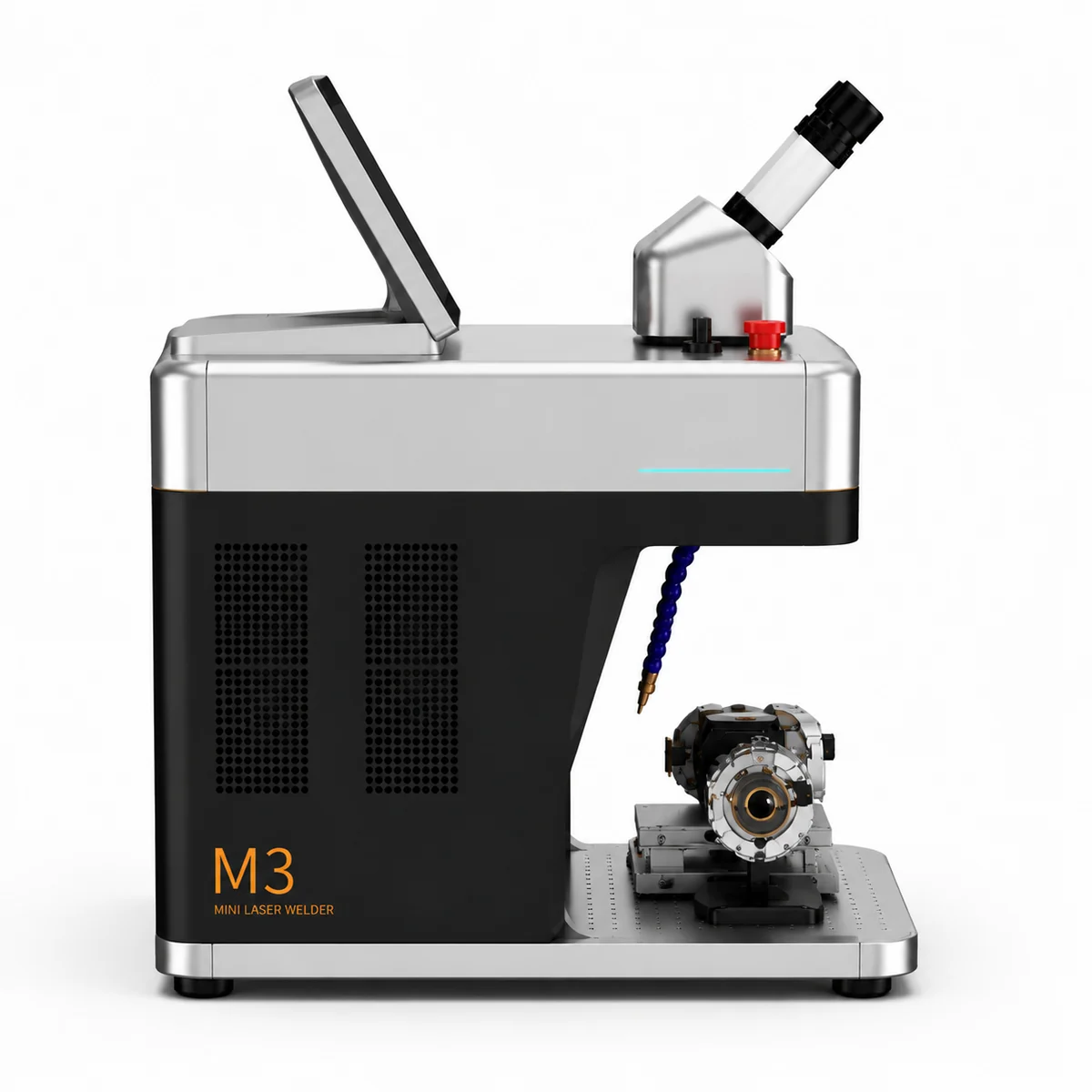
  1. The shop is too small for more machines300 × 340 × 320 mm desktop cabinet, cooling included
  2. Buying three machines costs too muchWelding, marking and cutting in one machine
  3. Laser installation and upkeep are a burdenAir cooled, no chiller, protective lens as the routine consumable
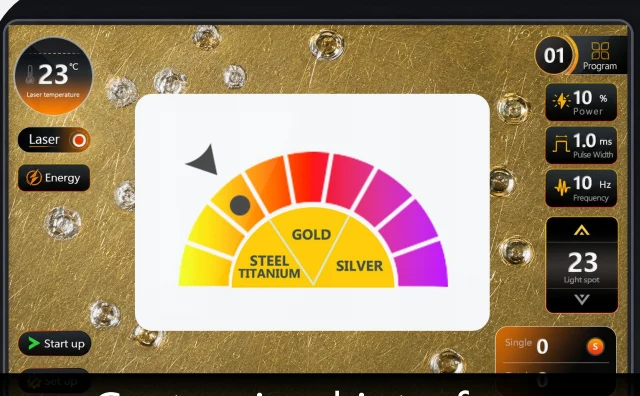
  4. Nobody knows how to set laser parametersMaterial presets from a dial: GOLD, STEEL, TITANIUM, SILVER
  5. A separate computer is one more thing to buy10 inch Android touchscreen, no PC
  6. Fine jewelry is hard to weld10X microscope, Sony 8 MP camera, motorised 0.1–2.0 mm spot
  7. Repair alone earns a limited marginEngraving, logos, custom pieces and cutting as paid services
  8. Different pieces need different machinesQCW welding and MOPA marking across gold, silver, platinum, titanium, copper, aluminum, steel
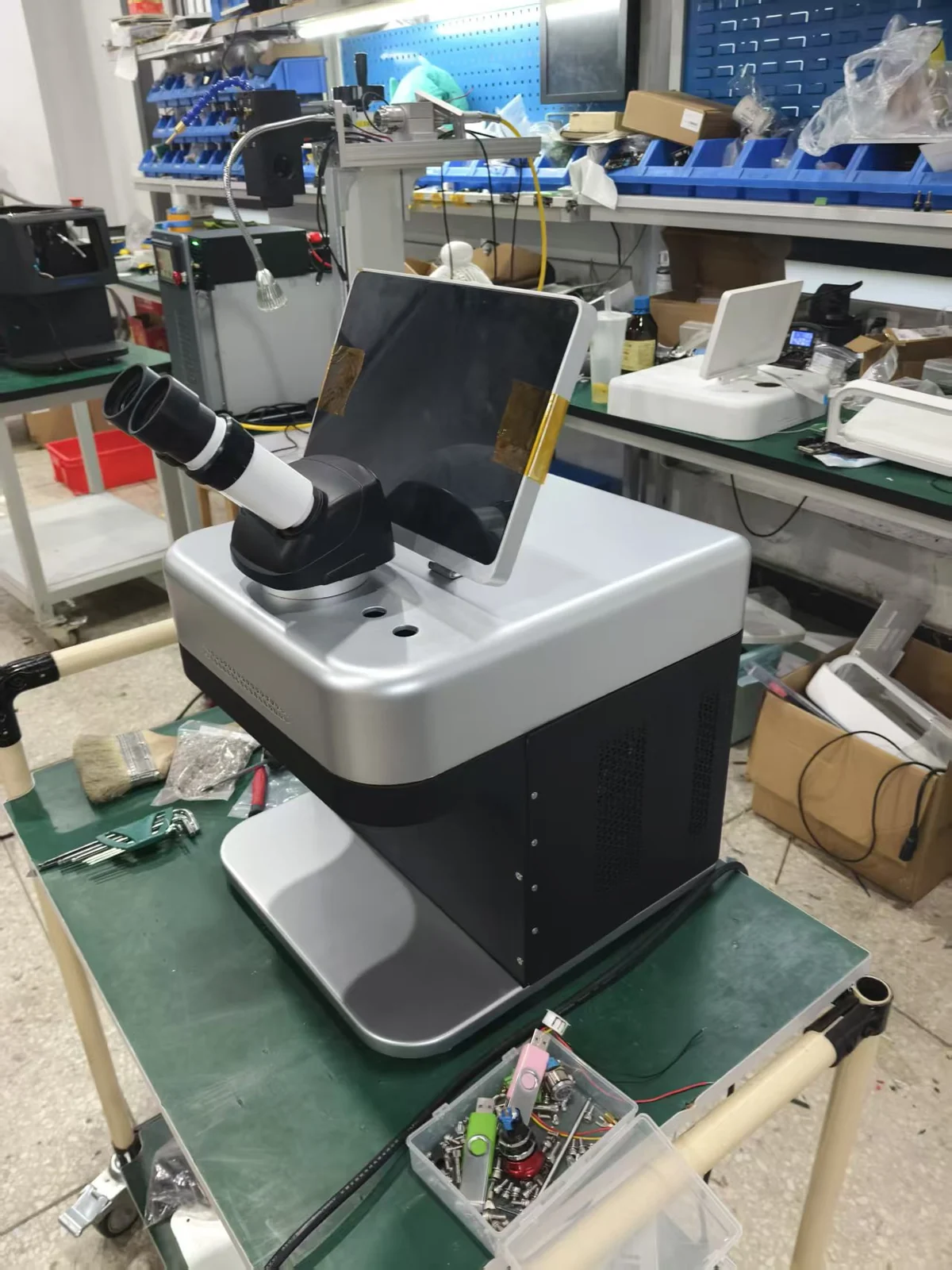
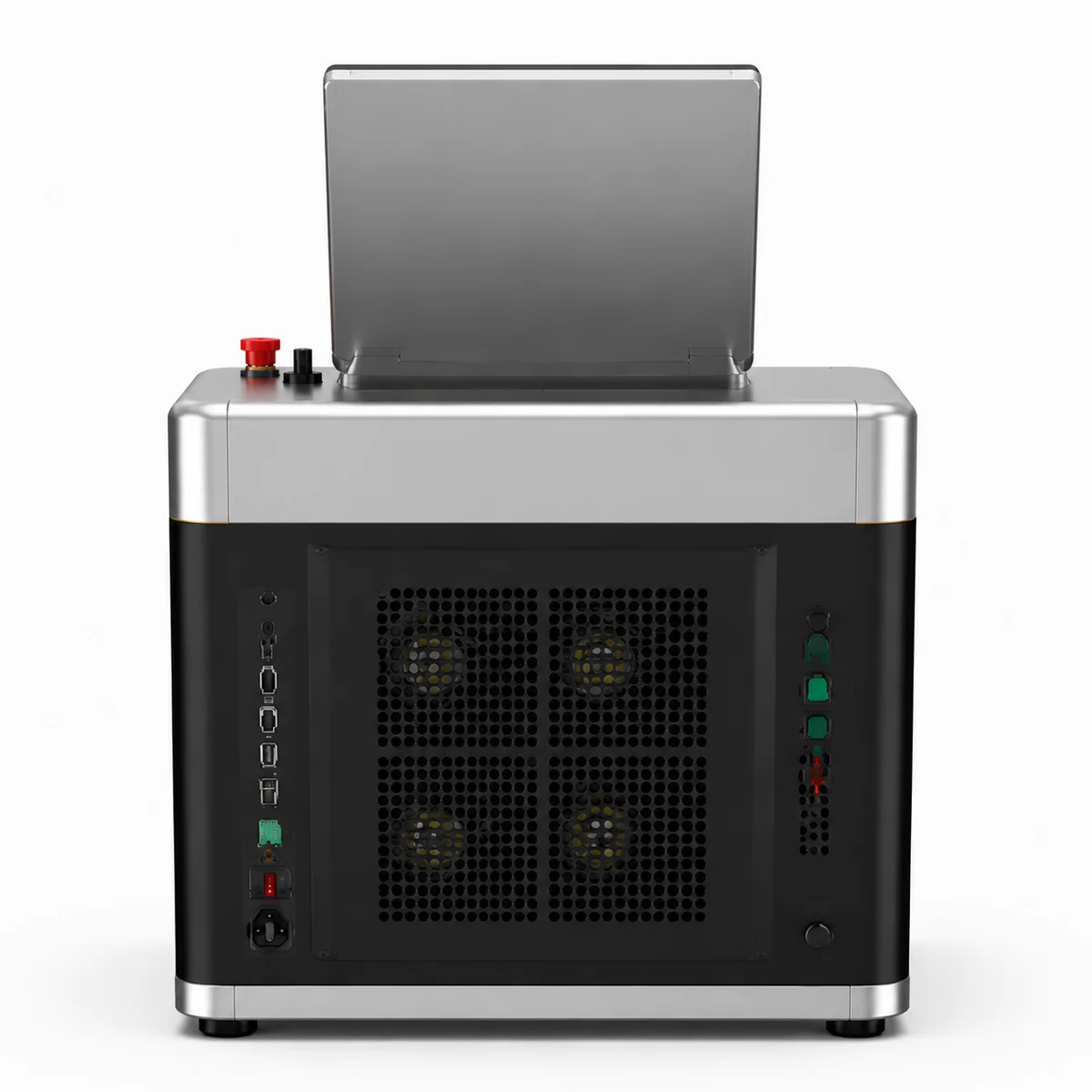
Air cooling vents: no chiller beside the M3The 10 inch touchscreen that replaces a separate computer
01

Fine jewelry is hard to weld · Upkeep is a burden

Bench Jewelers and Goldsmiths

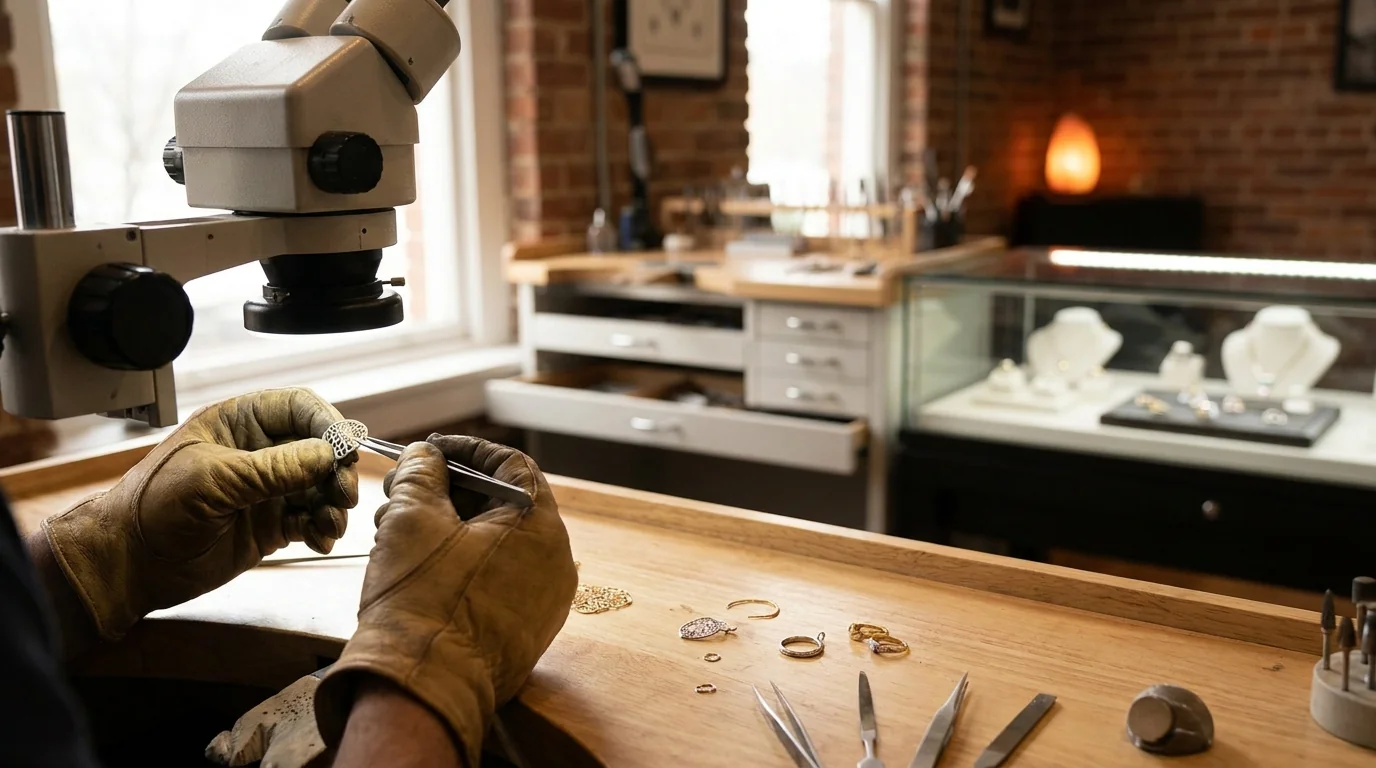
The 10X binocular microscope on the M3
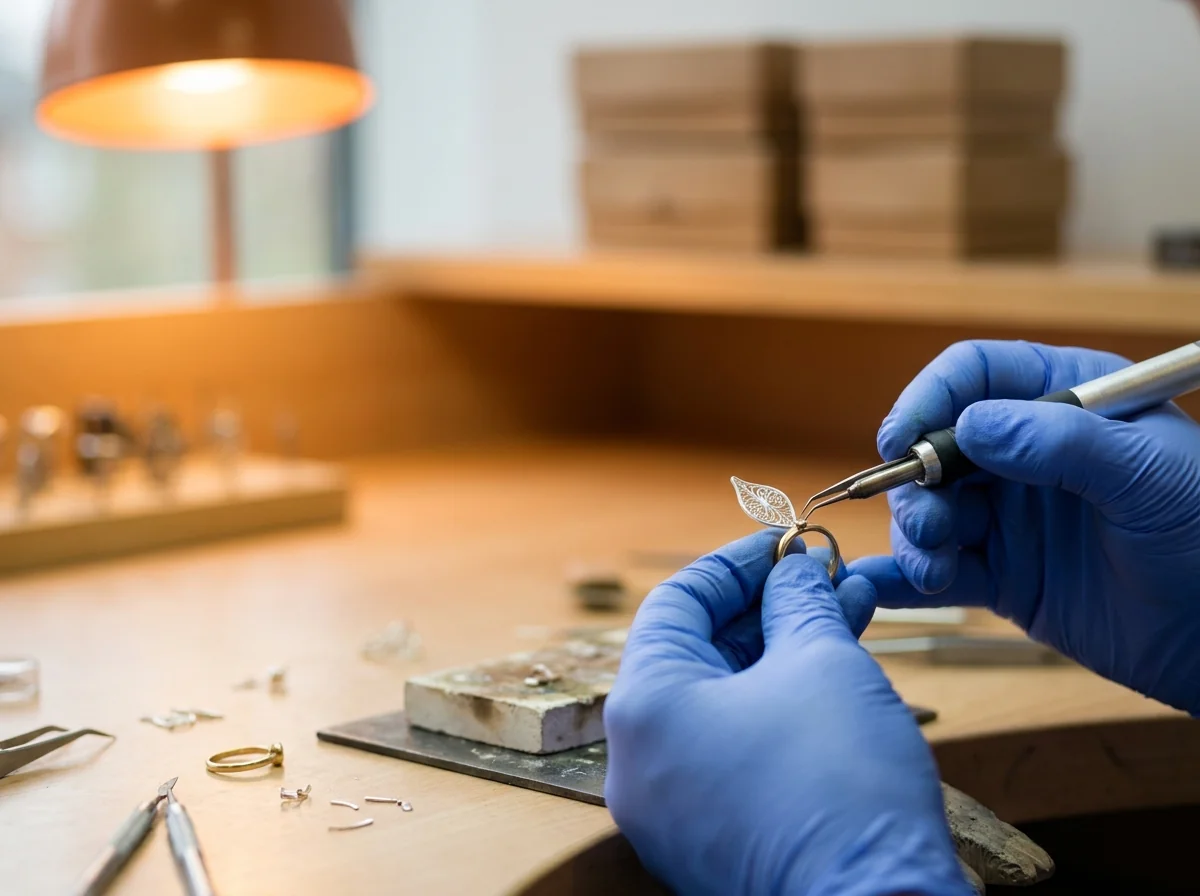
Today: fine joints near stones

Today · Fine joints near stones

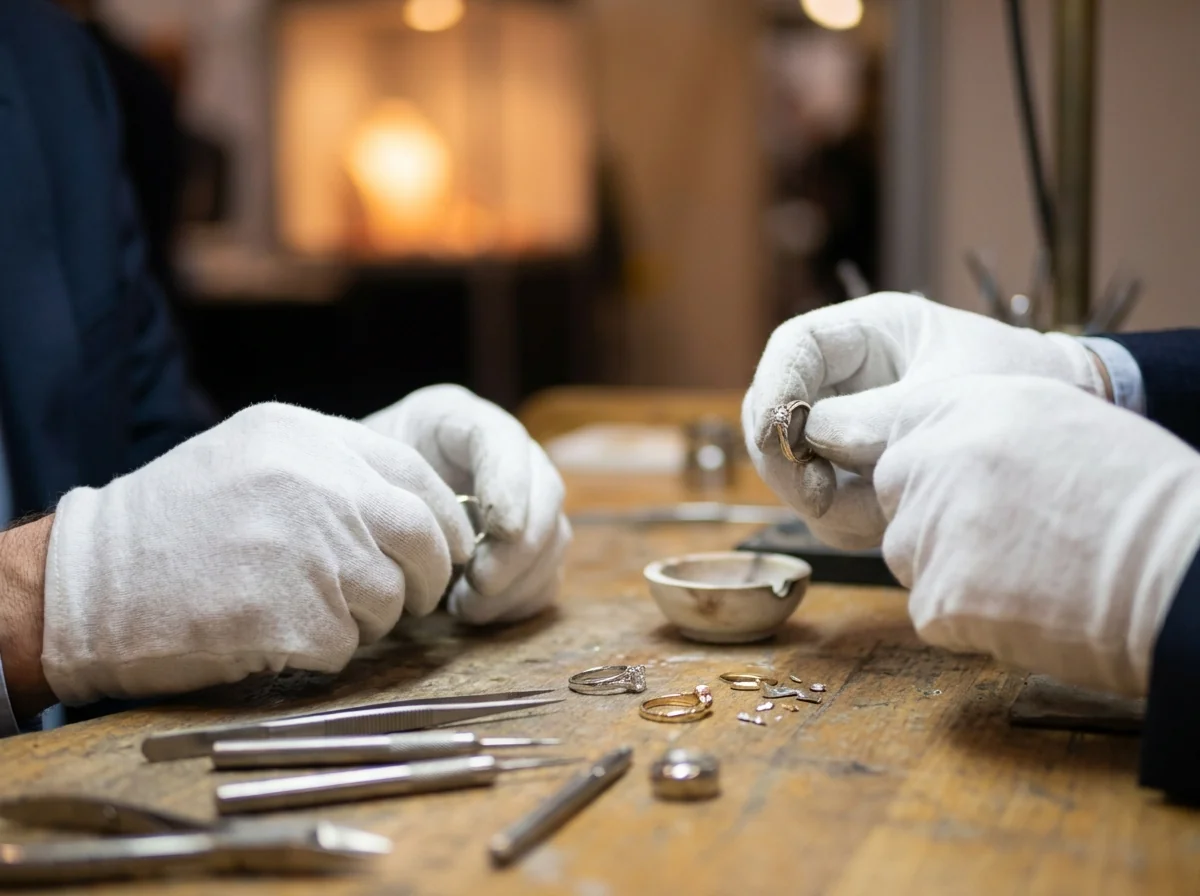
  • A prong on an engagement ring is worn thin next to a stone set years ago.
  • With a torch, heat runs into the stone and the setting, so the stone comes out, the prong is rebuilt and the stone goes back in.
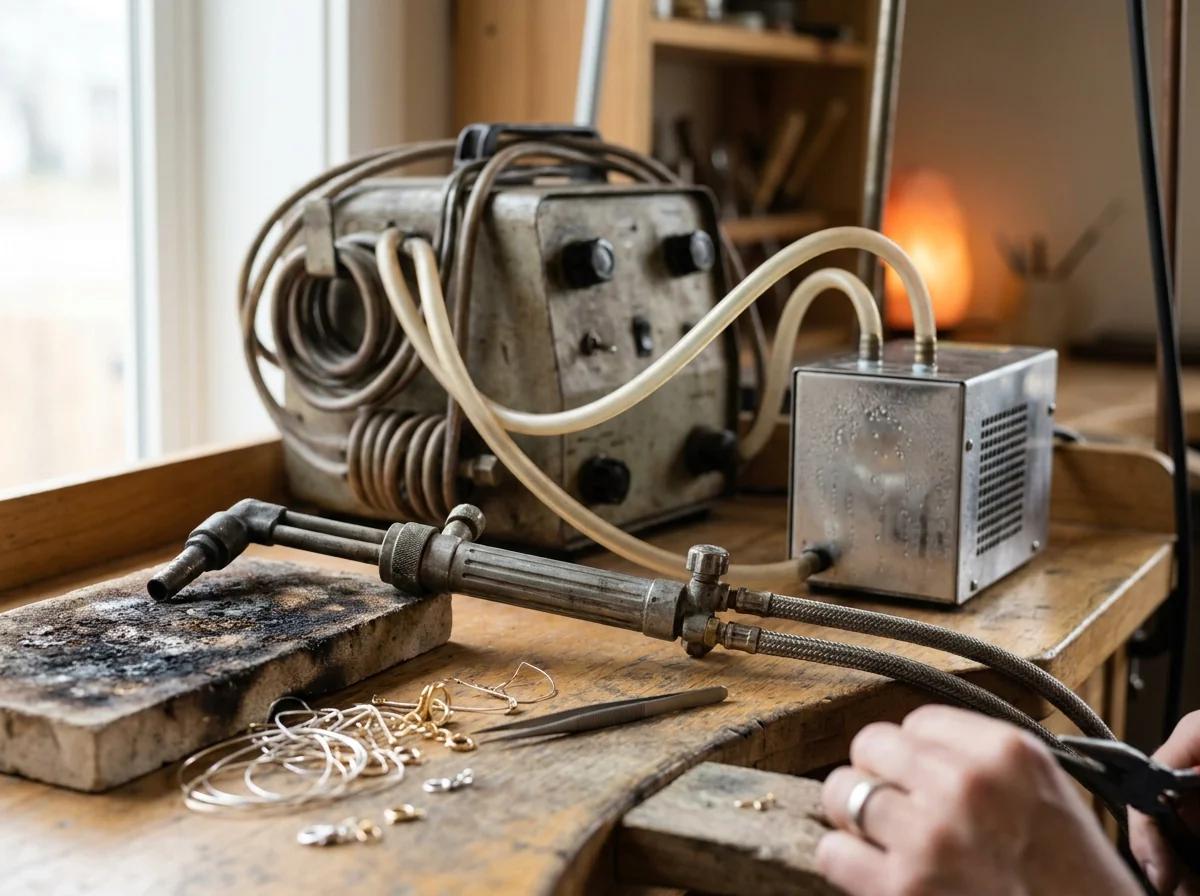
  • A lamp-pumped YAG welder can do it in place, but takes a corner of the workshop, runs a chiller and asks for xenon lamps and crystal rods on its own schedule.
With the M3: bench jewelers and goldsmiths

With the M3

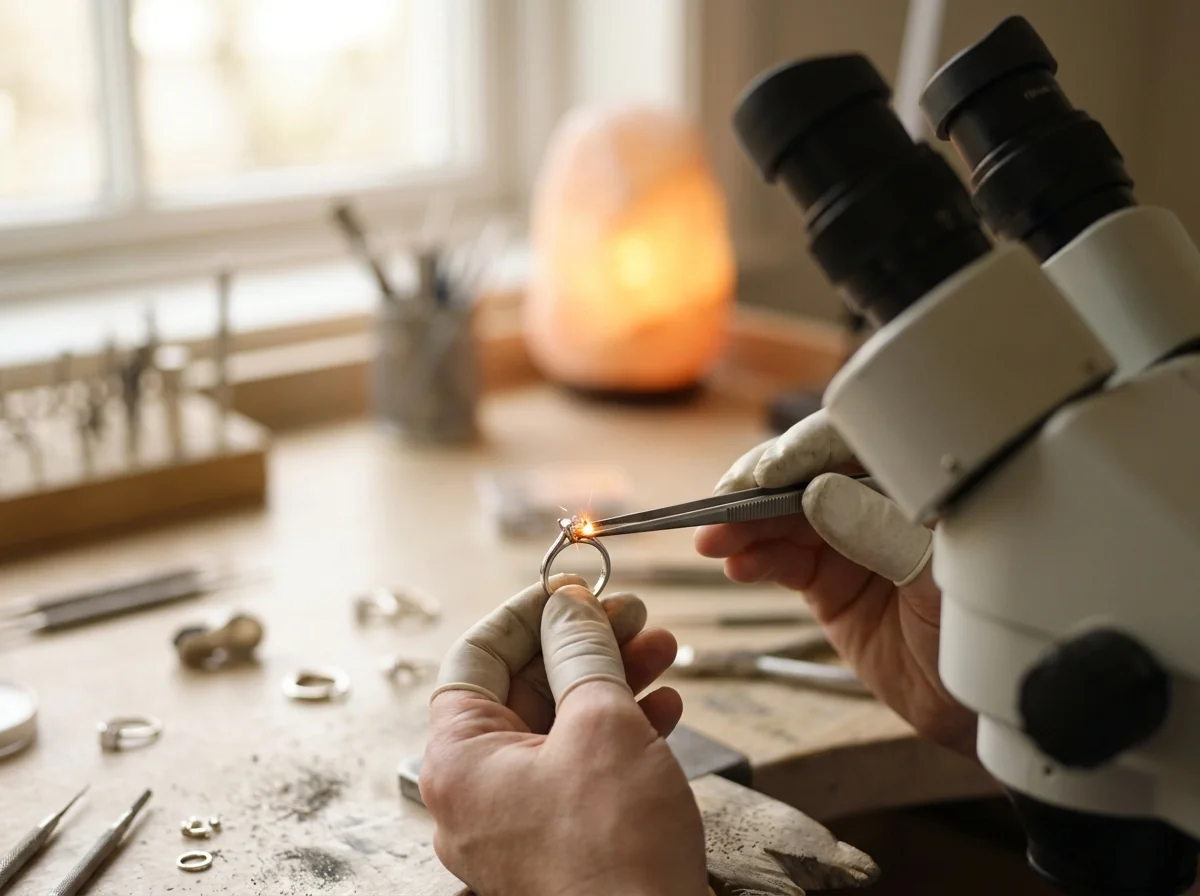
The QCW source fires a spot set by motor from 0.1 to 2.0 mm, pulse width 0.2–15 ms, while the jeweler watches the prong through the 10X microscope with both hands on the ring. Heat stays local, so the stone can often stay where it is.

At 120 W with 1,200 W peak, it is built for jewelry-scale joints like this, not thick sections.

  • Fine joints welded under the microscope, both hands on the piece
  • No chiller, no lamp set, one routine consumable
  • Presets for gold, silver, steel and titanium, trimmed on the first weld

The same cabinet also marks and cuts, so a hallmark or a small replacement part never leaves the workshop.

The week changes at the bench: stone-adjacent repairs stay in one session instead of three steps, and nobody schedules lamp changes or chiller water around the work.

02

The shop is too small · Repair alone earns a limited margin

Jewelry Stores With a Repair Counter

The M3 on a counter-sized bench beside a phone
Today: repairs sent out

Today · Repairs sent out

  • A customer drops off a chain with a broken link on Saturday.
  • The store has no welder, so the chain joins a bag of repairs that goes to a trade workshop on Tuesday and comes back the following week.
  • The customer waits more than a week for a short job, and the store keeps a thin share of a repair it did not do.
With the M3: jewelry stores with a repair counter

With the M3

As a jewelry laser welder for repair shops inside a store, the M3 sits on the counter at 300 × 340 × 320 mm with its cooling inside, on one AC 220 V socket.

The link is welded while the customer is still in the store, and the camera puts the joint on the 10 inch screen so the customer can watch. The same machine engraves a name inside a band on the rotary device, turning a repair visit into a second sale.

  • Repairs done in the store instead of sent out
  • Customers watch the repair on the screen
  • Engraving at the counter as an added service

Repairs that stay in the store also stay in the store's own records, with the camera image on file if a customer asks later.

The week changes at the counter: small welding jobs stop leaving the store, customers come back to collect sooner, and engraving adds a sale to visits that used to be repair only.

03

Buying three machines costs too much · Different pieces need different machines

Custom and Personalization Studios

The welding program on the M3 screen
Today: three steps, three places

Today · Three steps, three places

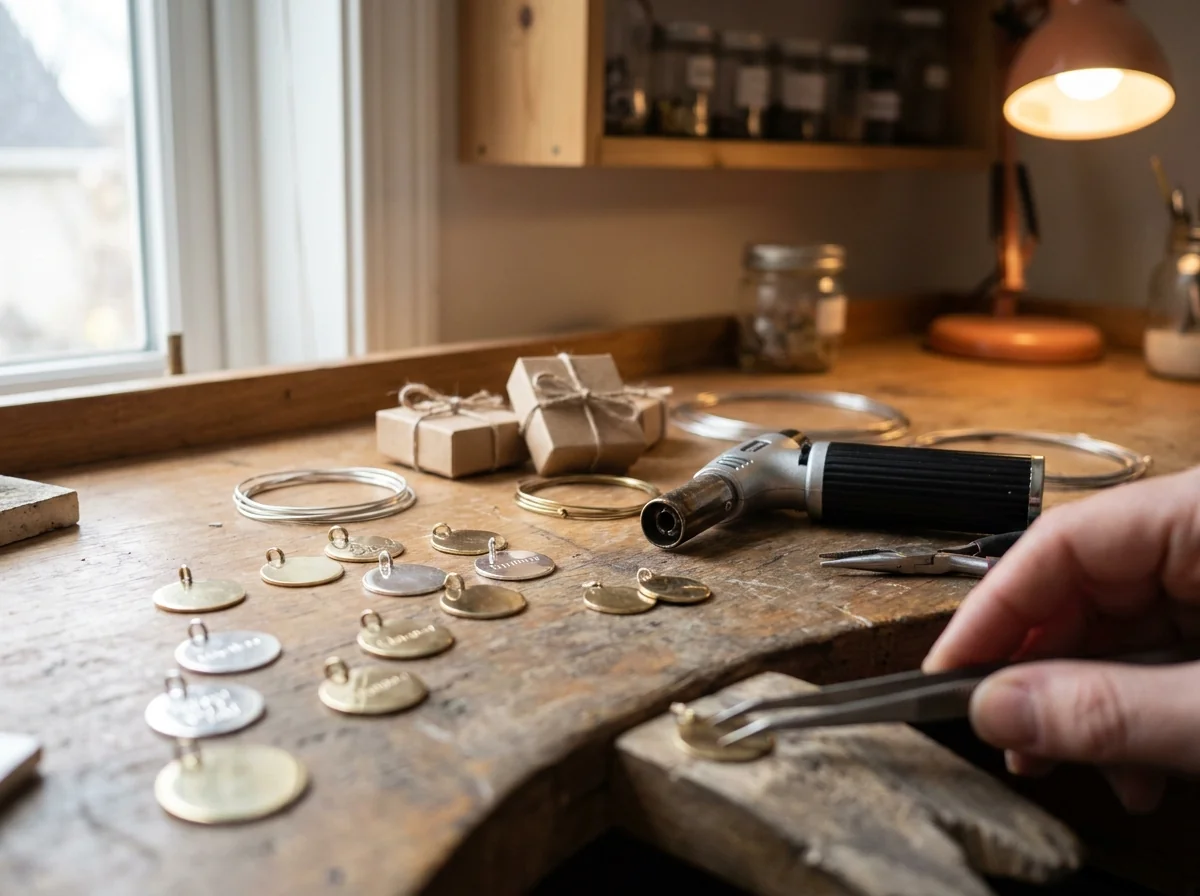
  • A studio sells name necklaces and engraved tags online.
  • Engraving is done on a fiber marker, blanks are bought in or cut by a subcontractor, and every jump ring is soldered by hand.
  • An order waits for blanks, then for a free afternoon at the solder station, and a solder joint on a thin piece sometimes shows a line after polishing.
With the M3: custom and personalization studios

With the M3

The MOPA source marks and cuts in the same 70 × 70 mm field at 0.01 mm, so the piece is cut from sheet and engraved without leaving the machine.

The operator switches to the welding program on the same screen and welds the jump ring under the microscope. Stainless steel and brass take color marks and anodized aluminum takes black, adding products the studio can list.

  • Cut, engrave and weld one order on one machine
  • Color marking on stainless steel and brass as a new product line
  • Pieces cut in house instead of bought in

One operator can take an order from sheet to finished piece in a single sitting, and the next order starts from the same presets.

The week changes in the studio: orders stop waiting for blanks or a free afternoon at the solder station, and color-marked pieces add listings without adding a machine.

04

Nobody knows the parameters · A computer is one more thing to buy

Permanent Jewelry Businesses and Small Workshops

The compact M3 cabinet
Today: no plumbing, new staff

Today · No plumbing, new staff

  • A permanent jewelry business works from a studio corner or a pop-up table.
  • There is no plumbing for a chiller, no room for a computer, and the person closing a chain on a customer's wrist is often new to lasers.
  • Settings copied from a video do not work on a different chain, and a burned link in front of a customer costs more than the chain.
With the M3: permanent jewelry businesses and small workshops

With the M3

The M3 needs one socket and no water. Welding starts from the material dial, so a new operator loads GOLD or SILVER and trims from the first weld read under the microscope or on the camera image. Two people carry the 30 kg cabinet between the studio and an event.

  • No plumbing, no computer, one socket
  • A starting point from the dial instead of settings from memory
  • The camera image on the screen for staff still learning

Between events the same machine welds repairs and engraves, so it earns on the days without a booking.

The week changes at events: setup is one socket, a new staff member starts from the dial, and the camera image lets a senior jeweler check the first welds remotely on the screen.

05

Different pieces need different machines · Upkeep is a burden

Small Factories, Sample Rooms and After-Sales Desks

The M3 on a workshop bench
Today: work spread across machines

Today · Work spread across machines

  • A sample room welds prototypes, the after-sales desk repairs returned pieces, and serials and logos are marked on a separate machine in another room.
  • Work moves between three machines, each with its own parameters, its own downtime and its own supplier.
With the M3: small factories, sample rooms and after-sales desks

With the M3

Repair welding, sample welding, marking and thin sheet cutting run on one machine, with material presets for welding and file import for marking in PLT, DXF, AI, BMP, JPG, PNG and other formats.

Fiber sources are rated above 100,000 hours, air cooling removes the chiller from the maintenance list, and the rotary device, cutting fixture and extraction are added for the jobs that need them.

  • One machine for samples, returns, serials and cut parts
  • Presets and file import instead of settings in someone's head
  • Fewer machines, fewer maintenance schedules

New staff learn one screen instead of three machines, and the settings that worked on a sample stay in the machine for the production run.

The week changes in the sample room: prototypes, returns and serials move through one machine, parameters live in presets and files, and one maintenance schedule replaces three.
06

Repair alone earns a limited margin

Distributors and Dealers

The M3 as a distributor's demo unit
Today: a shelf of look-alike welders

Today · A shelf of look-alike welders

  • A distributor carries lamp-pumped YAG welders that look like every other distributor's YAG welders.
  • Customers compare on price, service calls about lamps and chillers eat the margin, and the range gives the sales team nothing new to demonstrate.
With the M3: distributors and dealers

With the M3

The M3 is a machine the single-function brands do not offer: welding, MOPA marking and cutting in one 30 kg air-cooled desktop cabinet.

It demonstrates on a trade show table, reaches repair shops, stores, studios and workshops alike, and runs on the protective lens as its routine consumable. Interface and logo can carry the distributor's brand through OEM, ODM or SKD, and demo units ship straight to a trade show.

  • A 3-in-1 with no direct equivalent in single-function ranges
  • Low service load: no lamp set, no water loop
  • Interface and logo in the distributor's brand

Your customers can send their own pieces for a test before they buy, which shortens the sale.

The week changes for the sales team: a demo that shows welding, engraving and cutting on one table, fewer service calls about lamps and water, and a product with their own logo on it.

One Saturday

Jewelry Laser Welder for Repair Shops: One Saturday

The counter-sized M3 that keeps repairs in the store
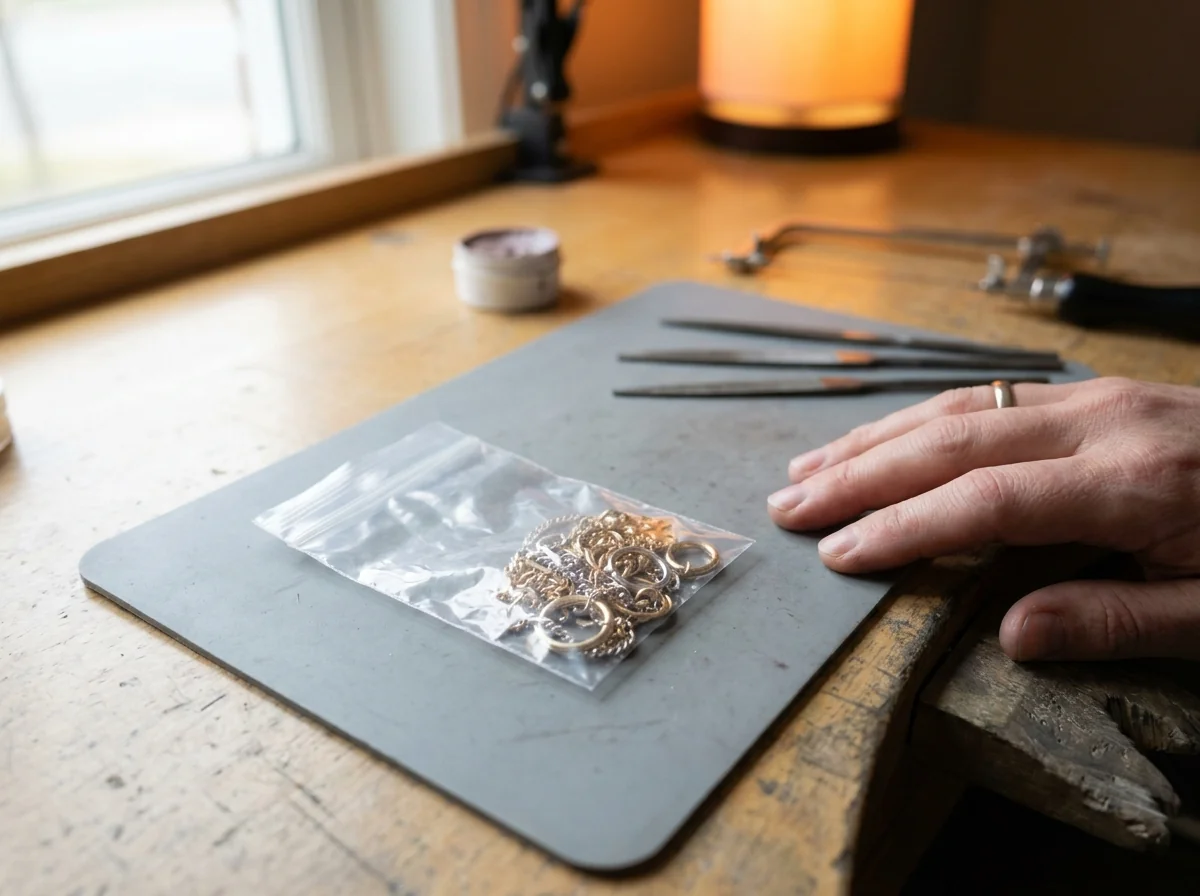
Before a jewelry laser welder for repair shops: a bag of repairs waiting to be sent out

Before

  1. Chains, a worn prong, a ring to resize, an earring post and a bracelet clasp come in over the counter.
  2. All of them go into the outbound repair bag for a trade workshop.
  3. Engraving requests are turned away, because there is no engraving machine.
  4. Customers are told to come back in a week or more.
  5. The store keeps a thin share of repairs it did not do.
After a jewelry laser welder for repair shops: repairs finished in the store

After

  1. The chains, the post and the clasp are welded at the counter while customers wait or browse.
  2. The camera image lets each customer watch their own repair on the screen.
  3. The prong and the resize go to the bench jeweler, welded under the microscope in the afternoon.
  4. Some customers add a name inside a band, engraved on the rotary device.
  5. Nothing leaves the store, and the full repair price stays with it.

Configuration

Buyer Type and MOPA Tier

Welding is the same 120 W QCW with 1,200 W peak on every M3. The MOPA tier follows the work beyond welding, and it is confirmed on your own pieces before a quotation. Whatever the tier, these stay the same on every machine:

  • 120 W QCW welding, 1,200 W peak, motorised 0.1–2.0 mm spot
  • 10X microscope, Sony 8 MP camera, 10 inch touchscreen
  • Air cooling, one AC 220 V socket, 2 kW total
  • Two years on the laser source, one year on the machine
BuyerUsual tierWork it covers
Bench jewelers, stores with a repair counter10 WSurface marks: names, dates, logos, serials
Personalization studios20 WDeeper engraving and color marking
Studios that cut their own pieces30 WRoutine thin sheet cutting
Sample rooms and workshops60 WAll-day cutting and deep engraving

Price and configurations

Every tier runs on the same 10 inch touchscreen
The M3 with the rotary device fitted
Heavy industrial sections that call for a different kind of welder

Honest fit

Jewelry Laser Welder for Repair Shops: Poor Fits

  • Heavy sections every day. Work that needs more welding energy than 120 W QCW with 1,200 W peak.
  • Welding only, all day. A shop that never marks or cuts, where a dedicated single-function welder is the simpler buy.
  • Smallest possible welder. Smaller single-function welders exist.
  • Engineer at the door within hours. A brand with a dealer in your city may suit better.
  • Not sure? Send your heaviest joint and your most common engraving job; the test answers the question on your own metal rather than on a data sheet.

Five questions

A Five-Question Self-Check

If you answer yes to two or more, the M3 is worth testing on your own work. Tick the boxes as you read; the answer appears below the list.

One yes usually means a single-function machine is enough. Two or more means the jobs you do already cross between welding, engraving and cutting, which is the work the M3 puts in one place.

Tick the questions that apply to your bench.

The M3 ready for a test on your own pieces

Your own bench

Send a Piece From Your Own Bench

Send one piece you weld, one you engrave and one you cut, or describe a normal week at your bench. We run them on an M3, return them with the settings written down, and tell you which MOPA configuration fits. Distributors can ask about OEM, ODM or SKD in the same message.

  • What came in
  • Roughly how it split: welding, marking, cutting
  • Which jobs currently go out
  • The largest piece handled

Prefer the answer in metal? Post a piece. It is run on an M3 and sent back with the settings written down.